Elegant Watercolor Flower Sweetpea Clipart PNG for Local Brand Illustrations
First Impressions: Soft, Feminine, and Naturally Inviting
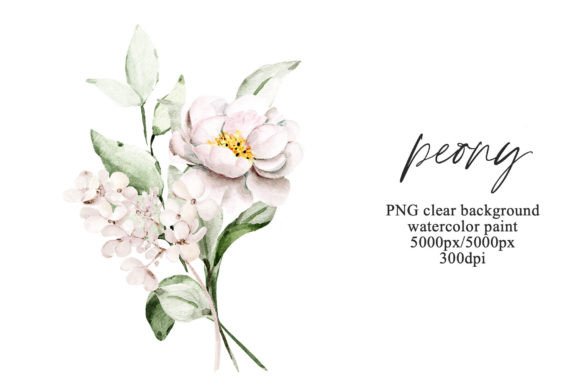
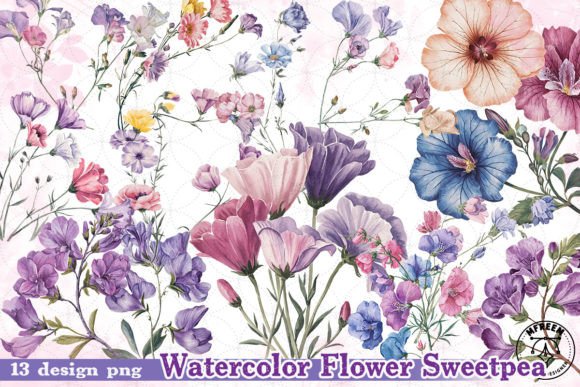
As a brand designer working with small businesses, the first thing I noticed about the Watercolor Flower Sweetpea Clipart PNG is its soft, hand-painted charm. It carries a gentle, organic mood that immediately suggests a brand personality rooted in warmth, authenticity, and craftsmanship. This kind of illustration feels perfect for businesses that want to communicate a sense of care, creativity, and connection—think artisan bakeries, boutique florists, handmade skincare brands, or independent candle makers.
The watercolor texture adds a subtle depth and texture without overwhelming the design. It’s not too bold or too minimal—it strikes a balance that feels both modern and timeless. It’s the kind of graphic design asset that can elevate a brand from looking like a side hustle to feeling like a polished, intentional business.
Practical Uses in Real Local Business Branding Projects
Let’s say you’re designing packaging for a local herbal tea brand or a line of natural soaps. The Watercolor Flower Sweetpea Clipart PNG could be used as a central illustration on product labels, or as a subtle decorative border that enhances the label without competing with the product name or ingredients.
- Logo design accents for boutique brands
- Packaging design for food or wellness products
- Hang tags for handmade apparel or jewelry
- Thank-you cards or product inserts
- Social media graphics for seasonal promotions
- Printable packaging mockups for online listings
Because it’s a transparent PNG file, it integrates seamlessly into both print and digital designs. Whether you’re building a Shopify product page or designing a sticker for a farmer’s market stand, this clipart illustration gives you flexibility without sacrificing visual appeal.
How This Design Asset Strengthens Brand Presentation
For small businesses trying to stand out on shelves or online, visual consistency is key. The Watercolor Flower Sweetpea Clipart PNG helps create that consistency across touchpoints. Here’s how:
- Stronger first impression – A well-placed illustration adds visual interest and professionalism.
- Better product recognition – Unique design elements make products more memorable.
- Clearer visual hierarchy – Illustrations can guide the eye and highlight key brand messages.
- More consistent brand identity – Using the same asset across packaging and digital builds familiarity.
- Improved customer trust – A cohesive look signals care and professionalism.
In a world where consumers often judge a product by its packaging, this kind of illustration becomes a powerful tool for storytelling and brand differentiation.
Where It Works Best: From Labels to Social Campaigns
This design asset shines in contexts where warmth and approachability are key. It works beautifully in:
- Product labels – Especially for food, skincare, and botanical products.
- Packaging accents – Adds a decorative but not distracting visual element.
- Hero graphics – On product packaging or landing pages to draw attention.
- Seasonal campaign visuals – For Mother’s Day, spring promotions, or floral-themed packaging.
- Social media graphics – Ideal for Instagram stories, Pinterest pins, and Facebook posts.
When used in a brand kit or Canva template, this graphic design asset makes it easy for non-designers to maintain a professional look across their marketing materials.
Where to Use It Carefully: Balancing Aesthetics and Clarity
Despite its charm, this Watercolor Flower Sweetpea Clipart PNG isn’t a one-size-fits-all solution. It should be used thoughtfully in:
- Formal corporate branding – Where a sleek, minimalist style is preferred.
- Very small labels – The fine details may get lost at tiny sizes.
- Crowded product packaging – Can clash with too much text or competing visuals.
- Ingredient-heavy layouts – Needs breathing room to avoid visual clutter.
- Luxury minimalist brands – Where simplicity and whitespace are key.
It’s also not ideal for legal disclaimers or regulatory sections of packaging, where clarity and legibility are more important than decoration.
Practical Designer Notes Before Implementation
Before rolling this illustration into a client project, I always run through a checklist to ensure it will work in the real world:
- Test it on real packaging mockups – See how it looks on textured paper or kraft labels.
- Check black and white usage – Some watercolor textures lose impact in grayscale.
- Preview on small labels – Make sure the details are still visible at reduced sizes.
- Test with brand colors – Ensure it complements your palette and doesn’t clash.
- Compare with competitor packaging – Avoid looking too similar to others in your niche.
- Check print quality – High-resolution PNGs should scale without pixelation.
- Review PNG transparency – Confirm it blends well with background colors or textures.
- Inspect SVG or vector editability – If available, check for clean lines and scalability.
- Test with different fonts – Pair it with serif, sans-serif, script, or display fonts to see which combinations feel most cohesive.
- Confirm commercial licensing – Always double-check that the asset is cleared for business use, especially for physical product sales or client work.
Final Thoughts: A Versatile Illustration for Thoughtful Branding
The Watercolor Flower Sweetpea Clipart PNG is more than just a decorative image—it’s a design tool that, when used intentionally, can help small businesses create a stronger visual presence. Whether you're designing a new product label for a local honey brand or building a seasonal campaign for a boutique shop, this kind of illustration brings a human touch to digital and print design.
For creative entrepreneurs, marketers, and packaging designers, investing in quality design assets like this one can make the difference between looking like a hobby and acting like a brand. Used thoughtfully, it enhances brand storytelling, supports product recognition, and adds a layer of professionalism that customers notice—and remember.