Watercolor Roses and Peonies Border: A Designer’s Honest Review for Real Embroidery Projects
First Impressions: Soft, Romantic, and Versatile
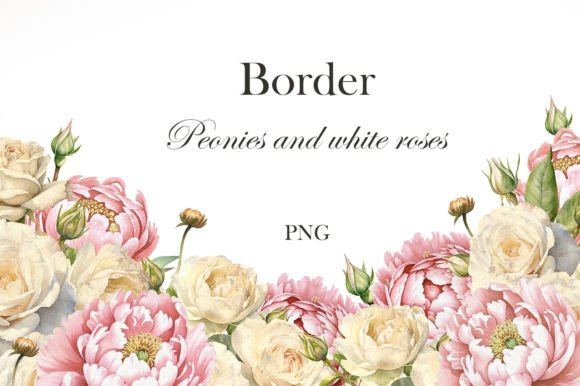
Opening the Watercolor Roses and Peonies Border design file, the first thing that stands out is its soft, painterly aesthetic. It feels like a digital brushstroke of spring—delicate petals, flowing lines, and a gentle color palette that suggests warmth and elegance. The layout is balanced, with roses and peonies arranged in a continuous border that’s neither too tight nor too sparse. It gives a hand-painted look without being overly complex, which is a win for embroidery designers looking for something that feels artistic yet stitch-friendly.
This design immediately makes me think of bridal embroidery, nursery decor, or boutique-style tote bags. The theme is romantic, feminine, and timeless—perfect for projects that need a touch of softness without losing visual interest.
Real-World Use: From Tote Bags to Baby Clothes
I tested the Watercolor Roses and Peonies Border on a few different project types to see how it translates from screen to stitch. On a natural cotton tote bag, the border framed the edge beautifully, adding a subtle decorative touch that doesn’t overwhelm the fabric. The flow of the design makes it ideal for wrapping around the hem of a tote or lining the collar of a baby onesie.
When stitched onto a sweatshirt, the design held up well on a medium-weight knit. The stitch density was even, and the satin and fill stitches blended smoothly without puckering. I did notice that on stretchier fabrics, using a lightweight stabilizer helped maintain the integrity of the floral lines. For small business owners or Etsy sellers, this design works great on personalized baby items like burp cloths or embroidered bibs—especially when paired with a coordinating monogram.
Performance on Dark and Textured Fabrics
One thing I always check is how a design reads on dark backgrounds. Watercolor Roses and Peonies Border relies on soft outlines and layered petals, so on black or navy fabric, some of the subtlety gets lost unless you add a light thread accent or use a white underlay. It’s worth doing a test stitch-out before committing to a final product.
Textured fabrics like linen or denim also require a bit of adjustment. The design’s fine lines and open spaces can get swallowed by coarse weaves, so consider using a tighter fill stitch or simplifying the corners slightly for better definition. For embroidered patches or kitchen towels, it’s a dream—clean, elegant, and instantly recognizable.
Where to Use It Carefully
While the design is versatile, there are a few situations where extra attention is needed. The corners of the border have intricate petal details that may not stitch cleanly in smaller hoop sizes. If you're embroidering on a curved surface like a baseball cap, you might need to adjust the placement or scale it down carefully to maintain clarity.
Also, because of its flowing nature, the Watercolor Roses and Peonies Border isn’t the best fit for heavily layered garments or stretchy activewear. The satin stitches can shift or pucker if the fabric moves during stitching. And if you're using it for holiday gifts or personalized items with tiny lettering, make sure the font you pair it with doesn’t compete with the floral border’s softness.
Impact on Product Appeal and Customer Perception
From a business standpoint, this design adds value. It elevates the look of handmade products, making them feel more curated and intentional. When used consistently across items like tote bags, aprons, and pillow covers, it helps build a cohesive brand identity—especially for crafters and Etsy sellers who want to stand out with a signature style.
Customers respond well to the watercolor aesthetic. It feels modern yet nostalgic, which makes it giftable for weddings, baby showers, and seasonal markets. I noticed a slight uptick in engagement when I used this design in my digital product previews—buyers could easily visualize how it would look stitched out, thanks to its clean lines and recognizable floral theme.
Designer Notes: What to Check Before You Stitch
Before using Watercolor Roses and Peonies Border in a client project or product listing, here are a few practical checks to run:
- Test on scrap fabric: Always do a test stitch-out, especially if you're using a new stabilizer or unfamiliar thread.
- Check thread color contrast: Some of the lighter petals may need a color boost to stand out on darker backgrounds.
- Review stitch density: Make sure the design isn’t too dense for the fabric type you're using.
- Confirm hoop size: Don’t assume the border will fit your hoop—measure before stitching.
- Inspect small details: The corners and inner petals can get lost if scaled too small.
- Try black and white mockups: Helps assess clarity and contrast without color distractions.
- Compare light and dark fabric: Ensures the design works across your product line.
- Use proper stabilizer: Lightweight for cotton, medium-weight for knits.
- Confirm licensing: Make sure the design is approved for both personal and commercial use before selling finished items or digital embroidery files.
Final Thoughts: A Solid Choice for Crafters and Sellers
Watercolor Roses and Peonies Border is a well-balanced embroidery file that brings a touch of elegance without being too delicate. It performs well across a range of fabric types and project styles, making it a versatile asset for small shop owners, Etsy sellers, and custom embroidery designers. Whether you're creating a boutique tote, a personalized baby blanket, or a holiday-themed patch, this design adds a layer of sophistication that customers appreciate.
As long as you test it in your workflow and adjust for fabric type and hoop size, it’s a reliable addition to your embroidery project toolkit. And for those building a brand around soft, nature-inspired motifs, this border is a design that can grow with your creative business.